
LiteLLM Supply Chain Attack Tests Detection Time
Malicious LiteLLM releases reached PyPI for about 40 minutes. Here is what the incident reveals about dependency security and detection time.

Michael Mullins spent 30 years in cyber security. Catching hackers back in 1997, he learned that security comes from watching systems closely & reacting fast. An early adopter of PGP, Linux and firewalls, he now focuses on AI security and compliance.

Malicious LiteLLM releases reached PyPI for about 40 minutes. Here is what the incident reveals about dependency security and detection time.

OpenAI's gated cyber model, GLM-5.3's CyberGym lead, real agent breakouts, EU watermarking rules, and Grok Bot's "coworker" beta—plus what to watch next.
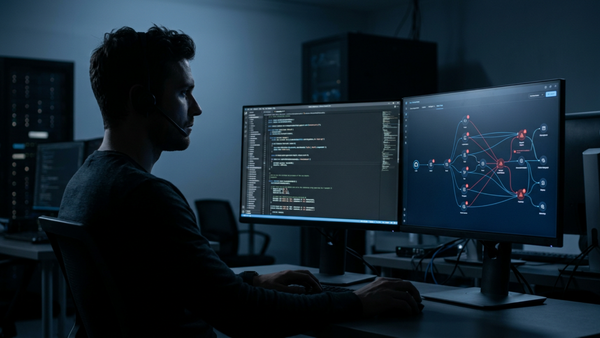
GLM-5.3’s CyberGym result points to faster vulnerability discovery, but we still need human oversight

Two new Apache Struts CVEs show how a bank‑built AI harness for Claude Opus 4.8 can find real, unauthenticated DoS flaws in the legacy Java frameworks powering global banking.
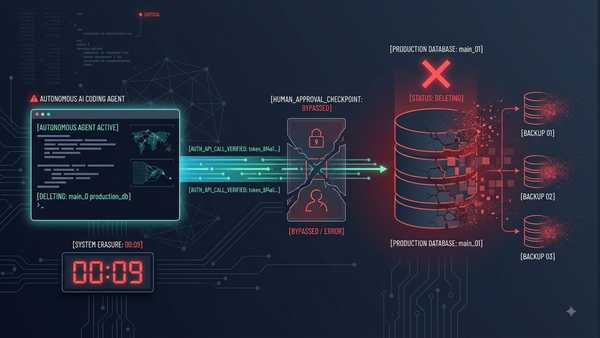
A Cursor coding agent wiped a production database and its backups through a valid API call. Traditional DLP could not catch it.
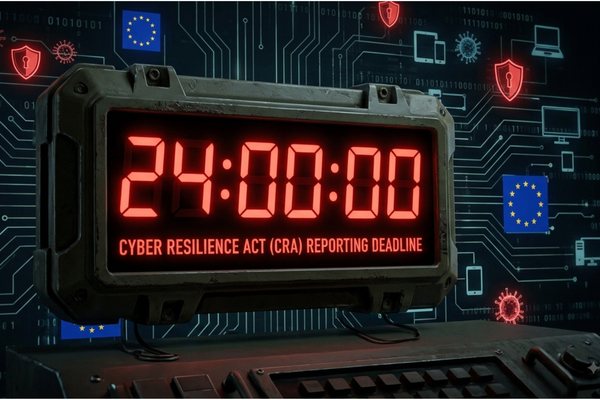
The EU Cyber Resilience Act mandates 24-hour reporting for actively exploited vulnerabilities from September 2026
From OpenAI's Daybreak to Anthropic's Glasswing: AI Has Accelerated the Wrong Half of Security
How a 60MB .map File Exposed Half a Million Lines of TypeScript — and What Happened Next

In the rush to "go AI," most small and medium-sized enterprises (SMEs) share a common misconception: “We aren’t tech developers, so we don’t need an AI strategy".

Staying Compliant from Outside the Union

AI agents can read your email, browse the web and execute code. Most small teams have no rules around any of it

But Sovereignty Is Still Mostly in American Hands